
What sensible restoration work should do
Repair where repair makes sense
We assess local faults first instead of pushing full replacement every time.
Match the fix to the surface
Blocks, tarmac and gravel each need the right remedy, not a one-size patch.
Deal with the cause as well
Movement, weak support and drainage faults are checked before work is planned.
Knowing when a drive needs more than a patch
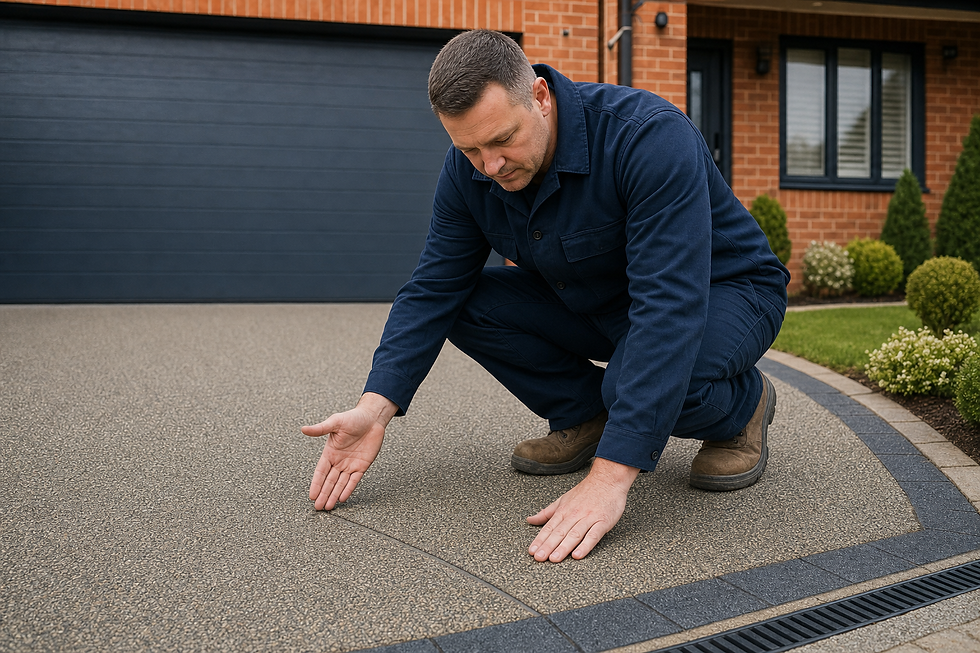
Not every worn driveway needs ripping out from edge to edge. Sometimes the trouble is local and a targeted repair will do the job. In other cases, the surface has worn right across the drive and resurfacing makes more sense. We look at the real symptoms first: cracks, potholes, sinking patches, loose paving, failed joints and water sitting where it should not. That early diagnosis matters because a tidy patch on top of an old problem rarely stays tidy for long. If the base has broadly failed, we'll say so plainly instead of dressing it up as a cheap fix.
Repair plans based on the real cause
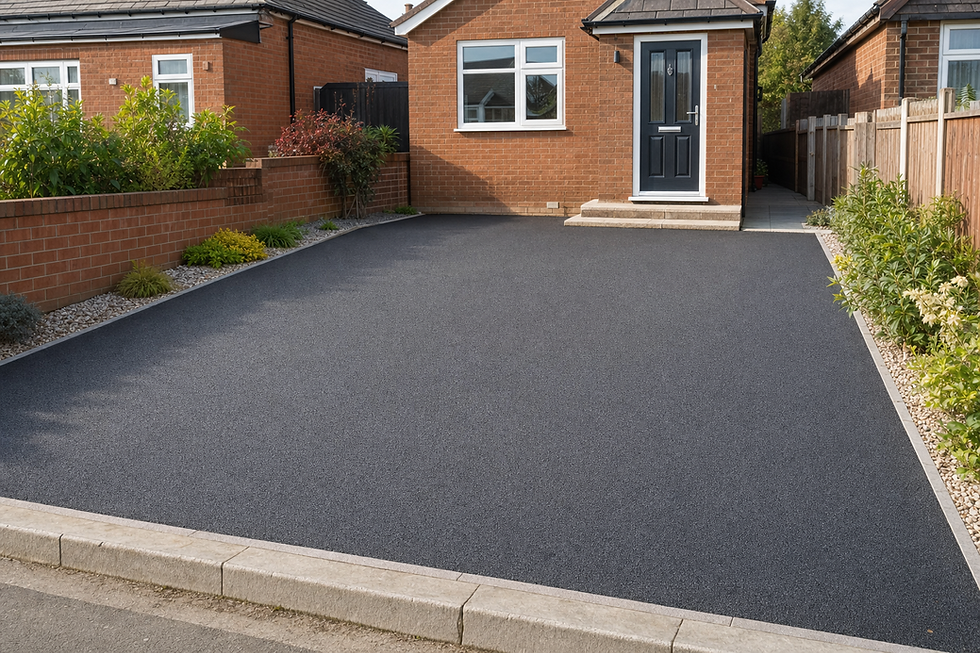
The right remedy depends on the surface and the cause. Block paving may need lifting and resetting where movement has started. Tarmac can sometimes be repaired in damaged areas or resurfaced more widely if the structure underneath is sound. Gravel may need topping up, regrading or deeper work where the base has lost stability. Throughout the job, we look for the reason the damage appeared in the first place, whether that's poor support, water getting in or everyday wear finally catching up. That gives you a better chance of extending the drive's life and improving how it looks.
Frequently asked questions
How do we know if repair is enough or replacement is better?
We look at the type of damage and what is causing it. A few isolated faults may suit repair, while widespread wear or a failing base usually points to resurfacing or replacement. The aim is to fix the real problem, not just make it look tidier for a month.
Can you repair block paving, tarmac and gravel drives?
Yes, but the remedy varies with the surface. Blocks may be lifted and reset, tarmac can sometimes be repaired or resurfaced, and gravel may need regrading, topping up or deeper groundwork. The right answer depends on what has gone wrong underneath.
Will resurfacing fix drainage problems as well?
Only if the drainage issue is identified and dealt with as part of the job. If water is pooling because levels are wrong or the support has failed, a fresh top layer on its own will not cure much. We check the cause first so the work stands a better chance of lasting.