
Why joined-up landscaping pays off
One plan instead of scattered fixes
The layout is shaped as a whole, so each part supports the next properly.
Groundwork handled in the right order
Levels, drainage and access are solved early instead of revisited later.
Proof in real project photos
Before-and-after images show the scale of change better than sales talk.
A better layout for the whole outside space
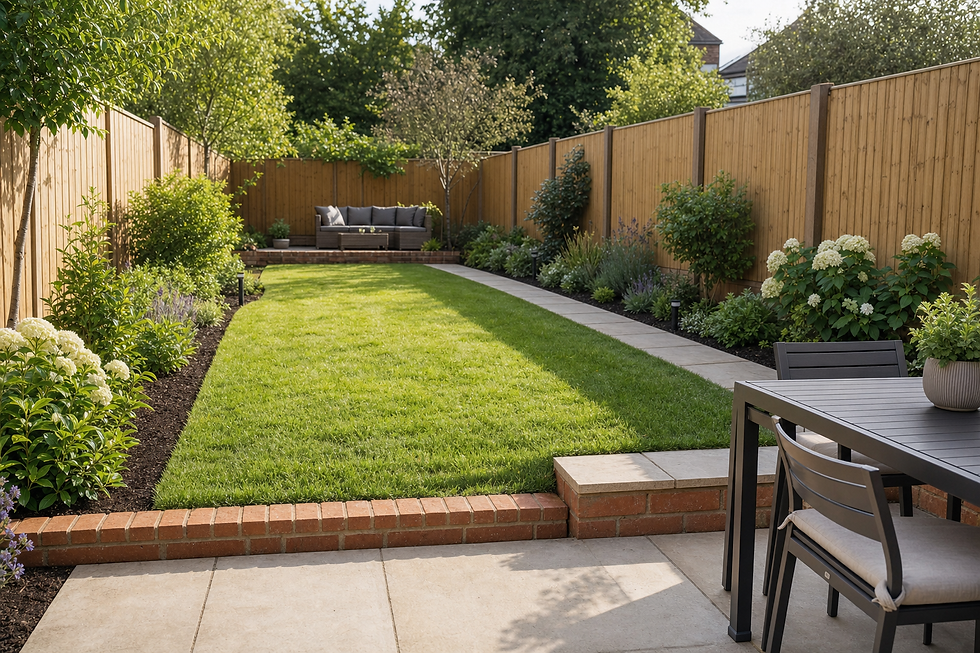
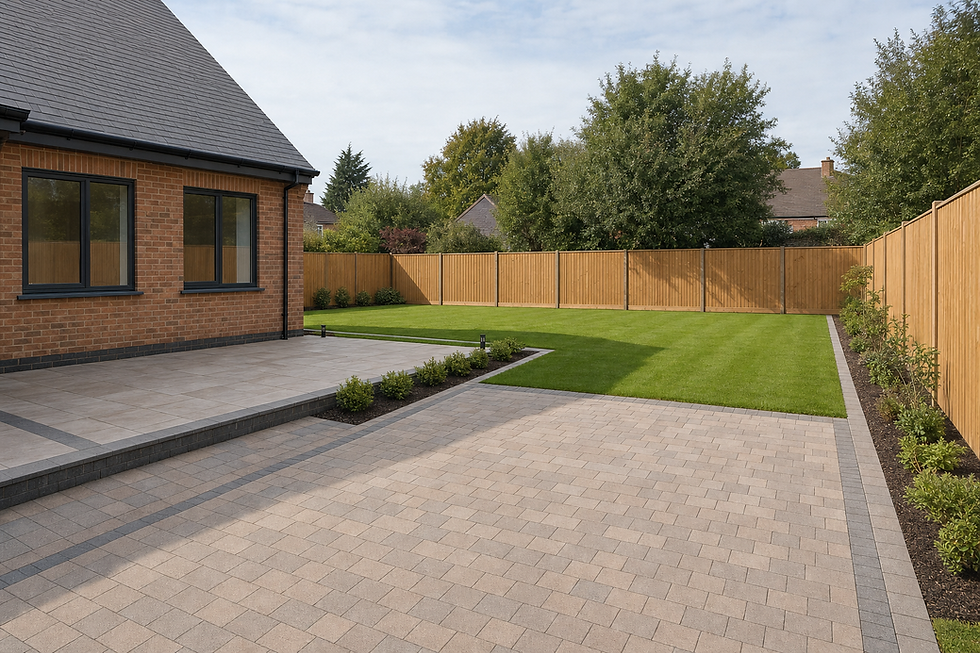
When several parts of the garden need attention, it makes more sense to plan the space as one job instead of a series of unrelated fixes. A patio that ignores the lawn level, fencing that arrives after the paving, or brickwork that does not tie into the paths all creates extra work and a patchwork finish. We look at the garden as a connected space with areas for sitting, moving through, screening, planting and practical use. That bigger view helps us shape the layout before materials are chosen and before the diggers start making a mess of the easiest route in.
The right sequence saves trouble later
Coordinating the sequence is where a lot of value sits. We can plan patios, garden paving, fencing, turfing, brickwork and blockwork in a sensible order so the groundwork, levels and drainage are dealt with once and dealt with properly. Early decisions about access, spoil removal and material combinations also keep the project running more smoothly. If you want to see what a joined-up approach looks like, real before-and-after images are useful. They show the scale of change far better than a paragraph full of grand promises ever could.
Frequently asked questions
Why plan landscaping as one project instead of separate jobs?
Because the levels, drainage, access and sequence all affect each other. If each part is handled in isolation, you can end up paying twice for the same ground to be opened up, or with finishes that do not quite meet properly. One joined-up plan avoids that.
What work can be combined in a landscaping project?
Patios, garden paving, fencing, turfing, brickwork and blockwork can all be coordinated, and driveway work may be part of the wider scheme too. The benefit isn't just convenience. It helps the whole outdoor space feel considered rather than pieced together.
Can before-and-after photos help us plan the work?
Yes. Real project images give you a clearer sense of proportion, layout and finished detail than a generic sales line ever will. They can help you judge what sort of transformation is realistic and which combinations of materials tend to work well together.